The French Press Coffee and Tea Pot: Tradition, Versatility, and Practical Comparisons
The French press, often called a press pot or plunger pot, is one of the most recognizable manual brewing devices in kitchens around the world. Though frequently associated with coffee, the same vessel functions equally well as a tea pot for loose-leaf tea. This dual identity — a French press coffee or tea pot — gives it a rare combination of simplicity and flexibility. For anyone evaluating brewing equipment, understanding how a French press works, where it excels, and how it compares to other methods can lead to a more confident decision.
What Makes a French Press Coffee or Tea Pot Distinct
At its core, a French press consists of a cylindrical carafe, a plunger, and a fine mesh filter attached to a metal or plastic rod. What sets it apart from drip brewers, pour-over cones, and single-serve machines is the immersion brewing technique. Coarsely ground coffee or whole tea leaves steep directly in hot water for several minutes. The plunger then presses the solids to the bottom, separating them from the brewed liquid. Unlike paper-filtered methods that absorb natural oils, the mesh screen allows essential oils and micro-fine particles to pass through, yielding a fuller-bodied cup.
This same process makes the French press equally effective as a tea pot. When brewing tea, the screen traps leaves while releasing the liquid, and the carafe retains heat well enough for a longer infusion. Because the device does not require disposable filters, pods, or complex electronics, its operating cost remains low. The straightforward design also means users have complete control over water temperature, steep time, and grounds-to-water ratio — variables that dramatically influence flavor.
Comparing French Press to Other Popular Brewing Methods
To evaluate whether a French press coffee or tea pot fits your routine, it helps to place it alongside common alternatives. Each method has a distinct extraction dynamic, and the right one often depends on what you prioritize: body, clarity, convenience, or volume.
French Press vs. Pour-Over
Pour-over brewing, typically with a paper filter, produces a cleaner cup with more pronounced acidity and delicate flavor notes. The paper traps most oils and sediment, which highlights subtle aromatics. In contrast, the French press retains those oils, so the mouthfeel is heavier and the taste rounder. If you prefer a crisp, tea-like coffee with high clarity, a pour-over may win. If you crave a rich, almost velvety texture, the French press becomes the stronger candidate. Both depend on manual technique, but the press is often more forgiving with grind consistency and pour technique.
French Press vs. Drip Coffee Makers
Automatic drip machines prioritize convenience and batch brewing. They can deliver consistent results with minimal effort, but they typically use paper filters that strip oils and produce a lighter body. A French press coffee or tea pot requires a more hands-on approach, yet many appreciate the ritual of manually heating water and timing the steep. For those who value a bold, full-flavored cup and don't mind the extra few minutes, the manual press can outshine typical drip brewers. However, if you need to program a pot in advance or serve a large group with minimal fuss, a quality drip machine might be more practical.
French Press vs. Espresso
Espresso uses pressure — not immersion — to extract coffee quickly and intensely. The result is a concentrated shot with crema, ideal for milk drinks. A French press cannot replicate that pressure, nor can it create true espresso. Yet it can produce a strong, concentrated coffee that holds its own in recipes like lattes or iced drinks. For home users who want a bold base without investing in an espresso machine and grinder, the French press offers a far more affordable and low-maintenance path.
French Press Coffee or Tea Pot vs. Other Tea Brewing Options
When used for tea, the French press competes with traditional teapots, infuser baskets, and single-cup strainers. The advantage is the ability to brew multiple cups in one vessel, stop the steep by pressing the plunger, and pour without extra tools. However, tea purists sometimes caution that coffee residue can linger in the mesh and rubber seals, subtly affecting delicate white or green teas. Dedicated tea-only presses, or thorough cleaning between uses, easily circumvent this issue.
Strengths and Tradeoffs of the French Press
Understanding the strengths of a French press helps frame where it fits. Its biggest asset is the body it creates. Because the mesh filter lets through oils and a small amount of fine sediment, the resulting cup has a heavier mouthfeel and deeper flavor that many describe as full and bold. For dark-roast coffee, chocolatey notes and caramelized sugars stand out beautifully in a press. The same richness translates well to robust black teas and herbal blends.
The press is also remarkably versatile. With one device, you can brew coffee, tea, cold brew, and even froth milk by moving the plunger rapidly. It requires no electricity beyond heating water, making it a reliable travel companion for camping or hotel rooms. Cleanup, though manual, involves rinsing the carafe and disassembling the filter assembly. This is often quicker than descaling a machine or fetching replacement filters.
The tradeoffs are equally real. The presence of fine sediment, or "sludge," at the bottom of the cup bothers some drinkers. Using a coarser grind and a slow, steady plunge can reduce it, but it never fully disappears. Because the brewed coffee remains in contact with the grounds even after plunging, it continues to extract and can turn bitter if left in the press too long. Decanting the coffee into a thermal carafe immediately after brewing solves this. For home use, a French press also requires more active involvement than a push-button machine — a plus for those who enjoy the process and a minor drawback for those rushing through a morning routine.
When a French Press Coffee or Tea Pot May Not Be Ideal
While the French press suits a wide range of tastes, certain situations call for a different tool. If you are the only coffee drinker in a household and you rarely finish a full carafe, a smaller single-cup dripper or an AeroPress-style brewer may minimize waste and deliver a cleaner taste. When absolute clarity and absence of sediment are non-negotiable — perhaps for a delicate single-origin coffee that deserves a pristine showcase — a paper-filtered pour-over remains a stronger choice. In environments where speed and repeatability rule, such as a busy office kitchen, a well-tuned automatic brewer may better serve the group.
For tea enthusiasts who explore a wide array of subtle white, green, and oolong teas, a dedicated glass teapot with a built-in fine infuser can provide purer flavor and easier temperature control. The French press still works, but the potential for cross-contamination from coffee oils and the slightly larger mesh may not be the top performer for the most fragile infusions.
Choosing the Right French Press for Your Daily Routine
If you’ve decided that the French press method aligns with your preferences, a few design details can make a meaningful difference. Carafes come in glass, stainless steel, ceramic, and plastic. Glass is classic and allows you to observe the brewing process, but it is breakable and loses heat faster. Double-walled stainless steel presses retain heat for a long time and travel well, making them a favorite for outdoor use or those who enjoy a leisurely second cup. Ceramic models offer excellent thermal stability and a distinctive aesthetic, though they are heavier and often pricier.
Consider size carefully. A standard 8-cup (34-ounce) press delivers about four small mugs of coffee; a 3-cup mini press works for one person. If you plan to use the same pot for tea, look for models with a secondary, finer mesh screen or a tea-specific plunger that helps reduce leaf escape. The filter plunger itself should fit snugly against the carafe walls so grounds do not slip past the sides — a common point of failure in inexpensive models.
Using a French Press for Tea: A Closer Look
A French press coffee or tea pot shines as a multi-functional tool for tea drinkers who appreciate loose-leaf quality without extra gadgets. The large basket allows leaves to expand fully, which is particularly important for oolong and rooibos blends. You can brew, plunge, and serve from the same vessel, reducing the number of items on the counter. Temperature-sensitive teas benefit from pre-warming the carafe and using a thermometer to hit target ranges, mimicking the control of a dedicated tea brewer. Many users find that the French press produces a stronger, more aromatic cup of chai or herbal tea compared to a conventional teapot with a small infuser basket.
To avoid coffee residues, designate one press for tea only, or clean meticulously with a baking soda soak to neutralize odors. This simple step preserves the intended flavor profile and expands the practical use of a single device.
Incorporating French Press Visuals into Design Projects
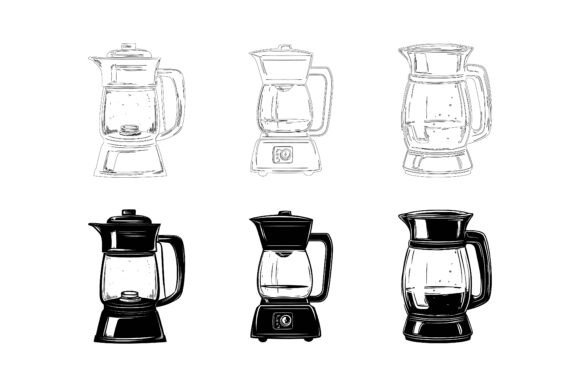
Beyond the kitchen, the French press has become a symbol of artisanal brewing, appearance in branding, café menus, packaging, and editorial illustration. When designers, educators, or content teams need high-resolution, editable graphics of a French press coffee or tea pot, they often turn to vector illustrations that can scale across media without quality loss. A well-organized illustration set can save hours of drawing time and ensure consistency across web, print, apps, and infographics.
For those building a resource around coffee culture, kitchen appliances, or beverage guides, having a professional collection of French press illustrations ensures visual polish. Such a set typically includes AI, EPS, and JPG formats, and is built for both Mac and Windows users. The files arrive with neatly organized layers, making it straightforward to isolate the carafe, plunger, or lid for unique compositions. The attention to detail in line work and shading helps maintain a consistent look whether the graphic is used as a small app icon or a large-format poster.
Customization is a key benefit. A well-designed EPS illustration lets you change colors, adjust proportions, or modify small details without degrading the artwork. This is especially useful when adapting the French press for different tea and coffee themes, matching a brand’s color palette, or creating a series of educational cards about brewing methods. The smooth vector curves ensure clean output on websites, printed handouts, and presentation slides.
Practical Use Cases for a French Press Illustration Set
- Print materials: Café menus, recipe cards, and event flyers benefit from a crisp, scalable image that looks professional in both black-and-white and full color.
- Web and mobile design: Blog posts about brewing techniques, e-commerce product pages, and app interfaces can integrate the icon or illustration seamlessly.
- Infographics and how-to guides: Step-by-step diagrams showing water-to-coffee ratios, plunge technique, or tea steeping times gain clarity with a realistic, editable pot.
- Symbols and signage: A clean vector symbol can mark coffee stations in shared offices or indicate a tea brewing area in a hospitality setting.
Access to an organized, detailed file means less time struggling with generic stock images that may have awkward perspectives or lack editable layers. The French press illustration becomes a modular asset that can shift from a technical diagram to a decorative element by simply toggling layers and applying color changes.
Decision Factors When Selecting a Brewing Method
Returning to the brewing experience, the choice often crystallizes around a few personal factors:
- Flavor body preference: If you enjoy dense, robust coffee with a satisfying mouthfeel, the French press coffee or tea pot is a natural fit. If you lean toward bright, clean, and tea-like clarity, a pour-over with a paper filter may be more rewarding.
- Routine speed and engagement: The press demands about four to five minutes of active attention plus water heating. It suits people who treat brewing as a mindful pause, not just a caffeine delivery system. Those in a hurry may prefer a programmable drip machine.
- Multi-beverage versatility: Few brewers handle both coffee and loose-leaf tea as gracefully. If you value a single tool that can shift between a morning dark roast and an evening chamomile, the French press earns a distinct advantage.
- Maintenance tolerance: Rinsing the mesh filter and occasionally deep-cleaning takes a little more effort than tossing a paper filter. Most users find the routine quick, but it is a factor to weigh.
Making an Informed Choice Without the Hype
A French press coffee or tea pot isn’t the perfect solution for every brewer, but it has earned its longevity for good reason. It produces a full-bodied cup, doubles as a tea maker, operates without ongoing costs for filters, and gives you direct control over extraction. These strengths are most noticeable when you want a rich, unapologetically robust beverage that celebrates the natural oils and texture of the ingredients.
Where the press falls short — sediment, the need for immediate decanting, and limited suitability for some delicate teas — there are effective workarounds or alternative tools. Recognizing those boundaries helps set realistic expectations. For many households, pairing a French press with a simple pour-over cone or a small electric travel kettle covers almost every brewing scenario.
By comparing methods honestly and focusing on your daily habits, you can decide whether the press pot earns a permanent spot on your counter. And if your work involves translating the visual appeal of a French press into digital or printed designs, a flexible vector illustration set makes it easy to create polished, professional materials without starting from scratch. That combination of practical brewing insight and adaptable visual resources supports better decisions in the kitchen and beyond.