Mosque Moslem Vector: Evaluating High-Quality Illustration Assets for Your Creative Projects
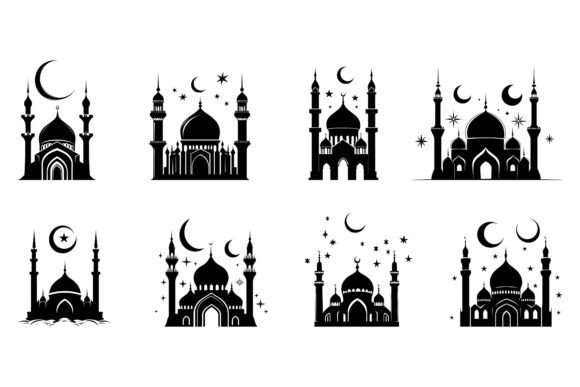
Selecting the right vector illustration for a project can be a quietly complex task. A Mosque Moslem Vector is a digital graphic file that depicts Islamic architecture or related cultural motifs using scalable, editable line art and shapes. These illustrations typically include dome structures, minarets, crescent moons, and ornamental details rendered in a resolution-independent format. While the concept is straightforward, the practical value of such an asset depends heavily on file format, editability, organizational quality, and how well it aligns with the specific demands of your workflow.
Many designers, content creators, and organizations look for these vectors when developing materials for Ramadan campaigns, Eid greetings, Islamic event branding, educational resources, travel promotions, or community outreach materials. The need often intersects with broader design requirements: files must be easy to edit, compatible across operating systems, and structured in a way that saves time rather than creating additional friction. Understanding what separates a thoughtfully prepared illustration set from a generic download can help you make a more informed choice.
What Defines a Useful Mosque Moslem Vector Set
At its core, a Mosque Moslem Vector asset is a representation of a mosque or Islamic-inspired design created in vector formats such as Adobe Illustrator (AI) or Encapsulated PostScript (EPS). Unlike raster images composed of pixels, vectors use mathematical paths, which means they can be scaled to any size without losing sharpness. This makes them suitable for everything from small app icons to large-format print materials like banners or signage.
However, not all vector files are created equal. A well-prepared set typically includes more than just the visual component. The structure of the file matters. When layers are neatly organized and named logically, the editing process becomes noticeably more efficient. Instead of hunting through dozens of unnamed paths to isolate a minaret or adjust a dome's color, a designer can locate the correct element in seconds. This organizational quality is especially valuable in fast-paced environments where deadlines are tight and multiple stakeholders may need to access the same files.
Key Considerations Before Making a Selection
When evaluating a Mosque Moslem Vector illustration package, several practical factors deserve attention. These go beyond aesthetics and touch on usability, compatibility, and long-term flexibility.
File Format Diversity
An asset that includes multiple formats—such as AI, EPS, and JPG—offers broader utility. AI and EPS files serve as the editable source material, while a JPG preview or raster backup can be useful for quick placements, mockups, or sharing with team members who may not have access to professional vector-editing software. This multi-format approach reduces friction when moving between different stages of a project.
Cross-Platform Design
Compatibility with both Mac and Windows environments matters more than it may initially seem. Design teams often operate across mixed operating systems, and files that perform consistently on both platforms prevent formatting issues, font substitution errors, or unexpected export problems. A set explicitly designed for dual-platform use signals that the creator has tested and optimized the files for broad accessibility.
Layer Organization and Editability
The ability to change colors, modify shapes, and isolate individual elements is what gives vectors their practical advantage. However, this advantage only materializes if the file's internal structure supports easy editing. A Mosque Moslem Vector with cleanly grouped objects, descriptive layer names, and logical hierarchy reduces the time spent on tedious adjustments. Designers can quickly adapt the illustration to match brand palettes, adjust line weights, or repurpose individual components for icons and symbols.
Detail Consistency and Precision
Attention to detail in vector artwork manifests in smooth curves, consistent stroke widths, symmetrical architectural elements, and well-aligned anchor points. When an illustration is crafted with precision, it maintains its visual integrity even when scaled significantly. Inconsistent detailing, by contrast, becomes more apparent at larger sizes and can undermine the professionalism of the final output. This is particularly relevant for mosque illustrations, where geometric precision often holds cultural and aesthetic significance.
Where These Vectors Tend to Perform Well
A Mosque Moslem Vector set with the characteristics described above can serve a range of practical applications effectively. Understanding these use cases helps determine whether the asset aligns with your needs.
- Print materials: Posters, flyers, brochures, and event banners benefit from scalable vector graphics that retain crisp edges at any dimension.
- Web and digital design: Website headers, social media graphics, and email templates often require clean, adaptable visuals that load efficiently and display well across screen sizes.
- App interfaces and symbols: Mobile applications and software platforms sometimes incorporate cultural or religious icons for features like prayer time indicators, mosque locator pins, or community event markers. Vectors provide the necessary scalability for different screen densities.
- Infographics and educational content: Data visualizations, instructional materials, and cultural presentations benefit from consistent, editable illustrations that maintain a unified visual language.
- Customization-heavy projects: When a design needs to match a specific color scheme or stylistic direction, fully editable vectors allow for rapid iteration without requiring complete redraws.
In each of these contexts, the value lies less in the illustration's subject matter alone and more in how seamlessly it integrates into an existing workflow. A vector that can be opened, edited, and exported quickly saves billable hours and reduces frustration.
Understanding the Tradeoffs
While a well-structured Mosque Moslem Vector package offers clear benefits, no single asset suits every possible scenario. Being aware of the limitations helps set realistic expectations.
One consideration is the learning curve associated with vector-editing software. Opening and modifying AI or EPS files generally requires applications like Adobe Illustrator, CorelDRAW, or Affinity Designer. Individuals without access to these tools or the skills to use them may find the editable formats less immediately useful, though the inclusion of JPG formats can mitigate this to some degree.
Another factor is the specificity of the illustration style. A particular mosque vector set may feature a certain architectural style, level of detail, or artistic interpretation that fits some projects perfectly but feels out of place in others. For instance, a highly ornamental illustration might suit a festive Eid banner but appear excessive for a minimalist app interface. Assessing the visual tone before committing is a worthwhile step.
File size and complexity can also play a role. Intricate vectors with numerous anchor points and detailed patterns may increase file sizes, which can slow down software performance on older machines or complicate exports for web use. Checking whether the level of detail matches your actual output requirements can prevent unnecessary overhead.
Situations Where Alternatives May Be Worth Considering
There are cases where a Mosque Moslem Vector set, even a high-quality one, may not be the most efficient choice. Recognizing these scenarios can save time and resources.
If a project requires a highly unique, custom illustration that cannot be sourced from pre-existing sets, commissioning original artwork from a designer may yield better results. While this route typically involves higher cost and longer timelines, it ensures complete originality and tailored design.
For projects with very limited budgets or simple needs, royalty-free libraries with basic mosque icons or silhouette vectors might suffice. These alternatives often come with fewer editing layers and less polish but can function adequately for low-stakes applications like internal documents or quick social media posts.
If the primary output is photographic or video-based and the vector would be used only as a minor element, considering stock photography or raster-based overlays could simplify the post-production process. Vectors shine brightest when editability and scalability are central, not when they play only a peripheral role.
Making a Practical Decision
Choosing a Mosque Moslem Vector illustration set is ultimately a decision about workflow efficiency, visual consistency, and long-term flexibility. Asking a few targeted questions can clarify whether a given asset meets your requirements:
- Does the file format selection match the software tools and platforms my team uses?
- Is the layer structure organized enough to allow quick edits without extensive rework?
- Will the detail level and artistic style hold up at the sizes I intend to use?
- Does the licensing allow for my intended use, whether commercial, personal, or client-based?
- Can I realistically open, edit, and export the files without additional software purchases?
Answering these questions honestly tends to surface the most practical path forward. A vector set that aligns well with your technical environment and creative demands can become a reusable resource that saves time across multiple projects. One that introduces compatibility headaches or editing bottlenecks quickly erodes any initial convenience.
The Value of Preparation and Structure
A recurring theme in the evaluation of design assets is that internal organization matters as much as outward appearance. A Mosque Moslem Vector file that looks beautiful in previews but contains a tangled, unlabeled stack of paths offers a diminished user experience. Conversely, a file built with a clean, logical structure enables faster iteration, easier collaboration, and more consistent outputs. This behind-the-scenes craftsmanship often separates professional-grade resources from less polished alternatives.
For designers working under deadlines, the ability to locate and modify a specific element within seconds rather than minutes translates directly into better productivity. For teams, consistent organization means multiple people can work on the same file without confusion. For clients, receiving neatly structured deliverables reflects well on the overall quality of service. These practical benefits accumulate over time and across projects.
Ultimately, the decision to use a particular vector illustration set should be grounded in how well it supports your specific goals. By evaluating file formats, editability, stylistic fit, and organizational quality, you can identify assets that genuinely enhance your creative output rather than adding unnecessary complexity. A thoughtfully prepared Mosque Moslem Vector collection can be a dependable tool in a designer's library, but like any tool, its true worth depends on how well it matches the task at hand.